
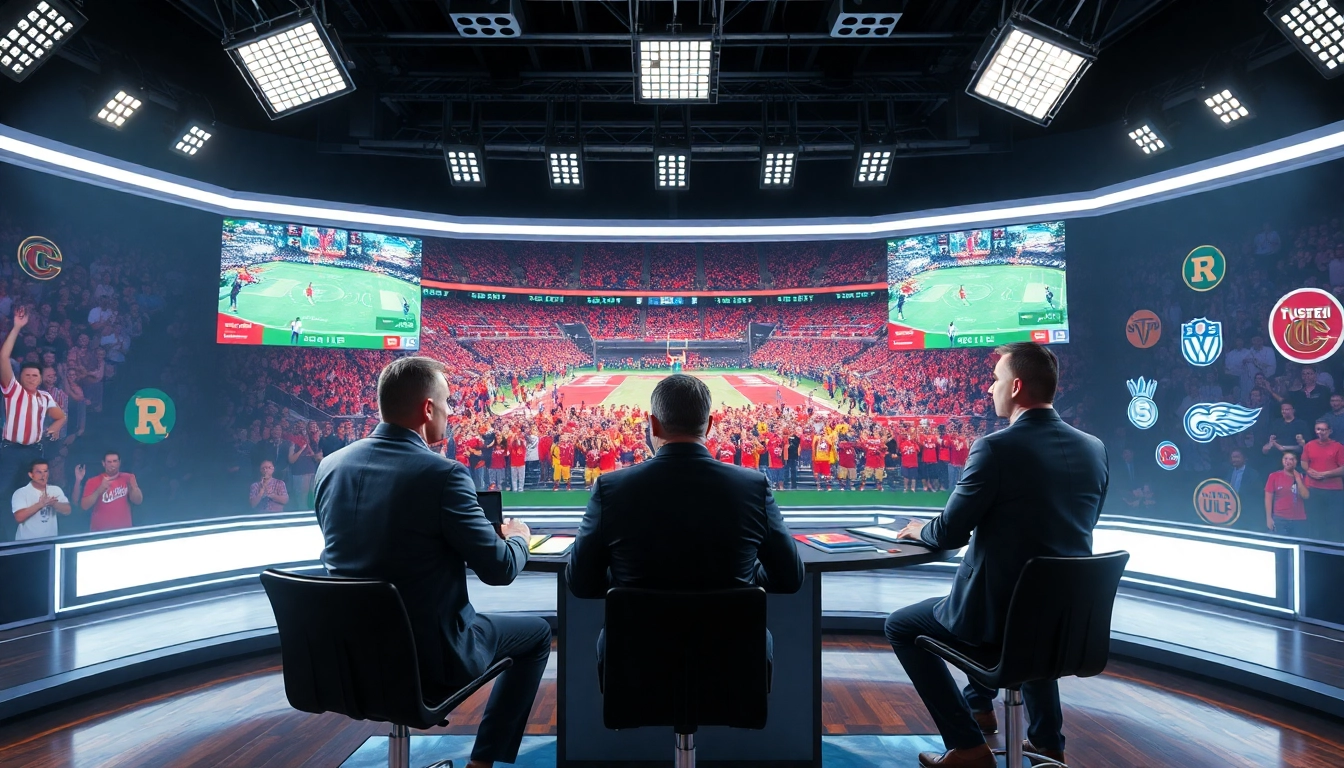
Understanding Sports Broadcasting
Sports broadcasting is a dynamic and multifaceted industry that plays a crucial role in shaping the viewing experiences of millions around the world. From live coverage of pivotal sporting events to engaging sports commentary, the field continues to evolve, driven by advancements in technology and the changing preferences of viewers. While the fundamental purpose of sports broadcasting remains to entertain and inform audiences, the methodology and delivery have grown increasingly sophisticated. One essential aspect to explore is how Sports Broadcasting serves as both an art and a science, combining storytelling with technical precision.
Essentials of Sports Broadcasting
At its core, sports broadcasting involves the dissemination of live or recorded sports content to audiences via various platforms, including television, radio, and digital media. The essentials of sports broadcasting can be broken down into several components:
- Coverage: Broadcasters provide access to live events, highlights, and discussions that keep fans informed and engaged.
- Commentary: Effective commentary adds depth and expertise, enhancing the viewer's understanding of complex sports strategies.
- Technology: The integration of cutting-edge technology like instant replay and augmented reality transforms how events are presented.
- Accessibility: Broadcasters aim to make sports content accessible across various platforms, catering to diverse audience preferences.
History and Evolution of Sports Broadcasting
The journey of sports broadcasting has a rich history, evolving from simple radio broadcasts in the early 20th century to today's multi-platform digital experiences. Initially, radio became the primary medium for broadcasting sports, yet the advent of television in the 1950s dramatically changed the landscape. Key developments include:
- In the 1920s, live sports commentary on radio began, drawing audiences into the excitement of the events.
- The 1950s marked the rise of televised sports, allowing fans to experience events from the comfort of their homes.
- The introduction of color television in the 1960s enhanced visual engagement, leading to more immersive broadcasts.
- In recent years, streaming platforms have disrupted traditional broadcasting, offering on-demand access to sports content.
The Impact of Sports Broadcasting on Viewership
Sports broadcasting undeniably influences viewership patterns. The way events are covered affects not only how many people watch but also how engaged they are during broadcasts. The accessibility of live events via various media has both democratized and globalized sports. Factors influencing viewership include:
- Event Timing: Scheduling affects viewership, with prime time slots attracting larger audiences.
- Regional Interests: Catering to regional preferences ensures broadcasters can capture local audiences effectively.
- Innovative Formats: Novel formats, such as live social media broadcasts or highlight reels, engage viewers differently.
- Interactivity: Offering interactive options, such as polling viewers during games, has been proven to boost engagement significantly.
Key Components of Successful Sports Broadcasting
Technology in Sports Broadcasting
Technology underpins every aspect of sports broadcasting, providing the essential tools necessary for production and delivery. Innovations such as high-definition cameras, drones for aerial footage, and advanced graphics have significantly enhanced viewer experiences. Notably:
- Live Graphics: Incorporating real-time statistics and scores keeps viewers informed and engaged.
- Multi-Angle Coverage: Offering various camera angles allows viewers to choose their preferred view, enhancing personalization.
- Data Analytics: Utilization of big data helps networks analyze viewer preferences to tailor content accordingly.
Role of Commentary and Analysis
Commentary adds a layer of depth to sports broadcasts, combining the excitement of live action with insightful analysis. Effective sports commentators serve several vital functions:
- Providing Context: Commentators can explain complex plays and strategies, enhancing viewers' understanding.
- Building Emotion: Their enthusiasm can amplify the drama and excitement of pivotal moments.
- Expert Analysis: In-depth analysis from former athletes or specialists can elevate the viewing experience.
- Storytelling: Good commentators tell the story behind the game, connecting fans to the athletes and events.
Broadcasting Formats and Their Importance
The format in which sports content is presented is crucial for attracting and retaining viewers. Different formats cater to varied audience preferences, ensuring broader engagement. Key formats include:
- Live Events: Real-time coverage remains the most popular format, attracting large audiences during major competitions.
- Highlight Reels: Short video compilations of key moments cater to audiences with limited time.
- Analysis Shows: In-depth analysis programs keep fans engaged by providing critical insights post-game.
- Documentaries: Sports documentaries tell athletes' stories or explore historical moments, attracting niche audiences.
Strategies for Enhancing Audience Interaction
Leveraging Social Media in Sports Broadcasting
Social media plays a pivotal role in enhancing audience interaction in sports broadcasting. Broadcasters can engage viewers on platforms like Twitter, Instagram, and Facebook in multiple ways:
- Real-Time Updates: Sharing live updates on games helps keep fans engaged, even if they're not watching the broadcast.
- Interactive Content: Polls, quizzes, and live Q&As allow fans to participate actively.
- Behind-the-Scenes Access: Exclusive content, like practice sessions or locker room insights, creates a personal connection with fans.
Incorporating Fan Insights and Feedback
Feedback from fans is invaluable in shaping the content of sports broadcasts. Broadcasters can implement several strategies:
- Surveys and Polls: Regular surveys can gauge audience preferences and improve content delivery based on responses.
- Social Listening: Monitoring social media channels for audience sentiment helps broadcasters stay in touch with viewer moods.
- Community Engagement: Establishing fan clubs and communities encourages collective engagement, fostering loyalty to the broadcasting brand.
Innovations that Engage Viewers
Innovation remains at the heart of engaging viewers in sports broadcasting. As technology evolves, so do the methods of storytelling and engagement:
- Augmented Reality: AR can enhance sports broadcasts by providing additional layers of information in real-time.
- Virtual Reality: VR experiences immerse viewers within the sports environment, offering a unique perspective on games.
- Gamification: Integrating gaming elements into broadcasts can incentivize viewers to engage more actively with the content.
Challenges in Sports Broadcasting
Covering Controversial Events
One of the significant challenges facing sports broadcasters is managing the coverage of controversial events. Striking a balance between journalistic integrity and audience expectations is key here:
- Neutrality: Maintaining impartial reporting during sensitive issues helps build trust with diverse audience segments.
- Transparency: Addressing controversies openly and honestly ensures authenticity in coverage.
- Timeliness: Rapidly responding to developing news helps sports media remain relevant and engaging.
Adapting to Technology Shifts
With technological advancements come challenges for broadcasters to adapt. Keeping pace requires strategic thinking and investment:
- Continuous Learning: Training staff on the latest technologies ensures that broadcasts remain fresh and competitive.
- Platform Diversification: Embracing various distribution platforms helps target different demographic groups effectively.
- Investing in Innovation: Allocating resources toward R&D can position broadcasters as industry leaders.
Maintaining Quality Under Pressure
High-pressure situations, such as live broadcasts of crucial events, can present significant challenges. Ensuring quality amid pressure is paramount:
- Preparedness: Comprehensive planning and rehearsals set the foundation for smooth broadcasts.
- Real-Time Problem Solving: Broadcasters must equip teams to think on their feet and address issues as they arise.
- Quality Control: Implementing rigorous review processes before broadcasts ensures the highest standards are met.
Measuring Success in Sports Broadcasting
Key Performance Indicators for Broadcasters
Measuring success in sports broadcasting involves analyzing key performance indicators (KPIs) that reflect reach, engagement, and profitability:
- Viewership Ratings: Ratings indicate the number of viewers and help assess the popularity of broadcasts.
- Advertising Revenue: Tracking ad revenue generation is crucial for financial viability.
- Audience Growth: Monitoring subscriber numbers for streaming services measures expansion and reach.
Fan Engagement Metrics
Fan engagement metrics provide insights into how audiences interact with content. Key metrics include:
- Social Media Interaction: Engagement rates on social media can gauge fans' emotional connection to broadcasts.
- Website Traffic: Increased traffic to sports broadcasting websites often signals heightened interest in content.
- Event Attendance: Tracking ticket sales and attendance figures reflects the impact of broadcasts on real-world engagement.
Future Trends in Measuring Broadcast Success
As the landscape of sports broadcasting evolves, so do the methods of measuring success. Upcoming trends to watch for include:
- Advanced Analytics: Utilizing artificial intelligence and machine learning to analyze viewer habits will lead to more tailored content.
- Sentiment Analysis: Assessing audience sentiment through social media and surveys will gather qualitative data that complements quantitative measures.
- Real-Time Feedback: Integrating instant feedback mechanisms during broadcasts will enable rapid adjustments and improvements.
FAQs
What is sports broadcasting?
Sports broadcasting refers to the dissemination of live and recorded sports events via television, radio, or online platforms. It aims to inform and entertain sports fans.
How has technology influenced sports broadcasting?
Technology has transformed sports broadcasting through high-definition visuals, instant replay features, and analytics tools, enhancing viewer engagement and experience.
Why do commentators matter in sports broadcasting?
Commentators provide insight, context, and excitement to broadcasts, helping viewers understand the game and keeping them engaged with compelling storytelling.
How can social media enhance audience interaction?
Social media enables broadcasters to share real-time updates, engage fans through polls, and provide behind-the-scenes content, fostering a more interactive experience.
What are the challenges facing sports broadcasters?
Sports broadcasters face challenges such as covering controversial events, adapting to rapid technological changes, and maintaining quality during high-pressure situations.