
Understanding the Essence of Coffee Culture
The world of coffee culture is an intricate tapestry woven from history, social dynamics, and evolving consumer preferences. At the heart of this exploration lies rokok88, a key term that encapsulates the rich significance of coffee within our societies. Coffee shops have become more than mere places to grab a quick caffeine fix; they are vibrant hubs that foster community, creativity, and connection among diverse groups of people. In this article, we will delve into the essence of coffee culture, analyze its historical evolution, and examine the contemporary elements that define it today.
What is rokok88 and Its Significance?
Rokok88 is a contemporary reference that signifies the blend of tradition and modernity within coffee culture. It reflects how coffee has transitioned from a simple beverage to a cultural phenomenon influencing various aspects of our daily lives. In many cultures, coffee serves as a symbol of hospitality and social bonds. The significance of rokok88 lies in its ability to connect people, acting as a catalyst for conversations and collaborations. Additionally, it underscores the importance of understanding consumer behavior and preferences, which are continually adapting as global trends shift.
The Evolution of Coffee Shops: A Historical Overview
The journey of coffee shops can be traced back to the 15th century when the first coffee houses emerged in the Middle East. These establishments were revolutionary, providing a venue for intellectual discourse and the sharing of ideas. As coffee spread to Europe in the 17th century, coffee shops became synonymous with social engagement, often referred to as 'penny universities' where patrons could engage in thought-provoking discussions over a cup of coffee. Today, the evolution continues, with coffee shops embracing diverse themes and concepts that cater to an ever-growing audience.
Key Elements that Define Contemporary Coffee Culture
Modern coffee culture is characterized by several key elements that shape the consumer experience:
- Quality and Sourcing: Consumers are increasingly interested in where their coffee comes from, emphasizing ethical sourcing practices and the quality of beans.
- Specialty Coffee: A growing knowledge of brewing techniques and coffee varieties has led to a surge in specialty coffee shops that prioritize unique flavors and preparation methods.
- Community Engagement: Many coffee shops now serve as community centers, hosting events, workshops, and art displays to foster local connections.
- Technology Integration: From mobile ordering to loyalty apps, technology plays a significant role in enhancing customer interaction and streamlining the coffee experience.
The Impact of Coffee on Social Interaction
Coffee has long been associated with social interaction, providing a relaxed environment for individuals to come together. The rituals surrounding coffee consumption—whether at home or in a café—encourage connection and conversation, contributing to its role as a social lubricant.
How Coffee Shops Foster Community Engagement
Many coffee shops have evolved into community hubs, offering more than just coffee. They provide a space for local artists to display their work, musicians to perform, and communities to gather. These establishments often engage with local causes or initiatives, further solidifying their position as integral parts of the community fabric.
The Role of Baristas in Shaping Customer Experience
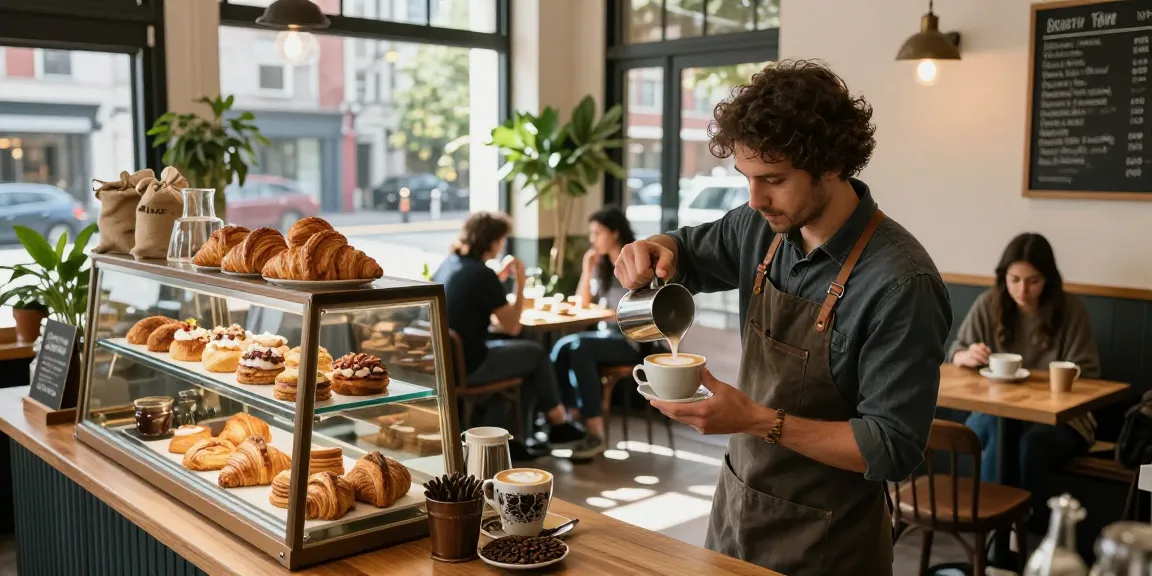
Baristas are not just coffee-makers; they are ambassadors of the coffee culture. Their expertise and passion can significantly influence a customer’s experience. Knowledgeable baristas can educate patrons about different brewing methods, bean origins, and flavor profiles, enhancing the overall appreciation of coffee among consumers.
Case Studies: Successful Coffee Shops and Their Strategies
Examining successful coffee shops can provide valuable insights into effective strategies for engaging customers. Consider the case of Blue Bottle Coffee, renowned for its meticulous sourcing and roasting practices, coupled with an aesthetically pleasing environment. Their commitment to quality and experience has established a loyal customer base, demonstrating how a clear brand identity can lead to success in a competitive market.
Trends Influencing Coffee Consumption in 2026
As we peer into the future, several trends are poised to shape coffee consumption in 2026.
Emerging Coffee Varieties and Innovations
With the coffee industry constantly evolving, new varieties and innovations are on the rise. Specialty coffees, unique blends, and the incorporation of flavors from different regions are becoming increasingly popular among consumers seeking new taste experiences. This trend not only enriches the coffee experience but also challenges traditional coffee norms.
Sustainability Practices in the Coffee Industry
The importance of sustainability is gaining momentum in the coffee industry. Consumers are becoming more conscious of their environmental impact, leading to a demand for coffee sourced from sustainable practices. Many companies are now focusing on eco-friendly packaging, direct trade relationships with farmers, and initiatives that support local communities.
Technology’s Role in Shaping Coffee Experiences
Advancements in technology are significantly shaping how consumers experience coffee. From precision brewing equipment to mobile apps that facilitate personalized recommendations, technology is enhancing the customer journey. Innovations like virtual coffee tastings and augmented reality experiences are poised to become commonplace in the coffee landscape.
Marketing Strategies for Coffee Shops
In a saturated market, effective marketing strategies are essential for coffee shops to distinguish themselves.
Building a Unique Brand Identity in the Coffee Sector
Developing a strong brand identity is critical for coffee shops. This includes defining a unique value proposition, crafting an appealing visual aesthetic, and communicating a compelling narrative that resonates with target consumers. A distinct brand can foster loyalty among customers, making them more likely to return.
Effective Use of Social Media to Engage Customers
Social media platforms are powerful tools for coffee shops to communicate with their audience. Posting engaging content, such as behind-the-scenes looks at the roasting process or customer spotlights, can enhance brand visibility and foster community engagement. User-generated content, such as photos shared by customers enjoying their coffee, can also serve as authentic marketing material.
Local vs. Global: Navigating Coffee Market Dynamics
As coffee shops navigate the complexities of the market, they must find a balance between local engagement and global trends. While catering to local tastes and preferences is essential, staying attuned to global coffee trends can help shops remain competitive. Collaboration with global coffee roasters or participating in international coffee events can enhance a coffee shop's profile and appeal.
The Future of Coffee: Predictions and Opportunities
Looking ahead, the coffee industry is rife with predictions and opportunities that could reshape the landscape.
What Will Coffee Trends Look Like in 2026?
In 2026, we can expect to see a greater emphasis on health-conscious options, such as coffee blends infused with nutritional benefits. Innovations will likely continue to evolve, focusing on enhancing sustainability and consumer experience, positioning coffee as not just a beverage, but a holistic lifestyle choice.
Challenges Facing the Coffee Industry and Potential Solutions
Despite the promising future, the coffee industry faces challenges such as climate change impacting coffee production and fluctuations in global coffee prices. To address these challenges, the industry must adopt strategies centered around sustainability, diversifying sourcing practices, and supporting farmers to ensure long-term viability.
Expert Insights: The Next Generation of Coffee Entrepreneurs
The next generation of coffee entrepreneurs is likely to be more innovative and socially conscious. With a strong focus on community engagement and sustainability, these individuals will redefine traditional business practices. They will leverage technology to enhance customer experiences while maintaining a commitment to ethical sourcing.
How Can Customers Influence Coffee Shop Practices?
Customer preferences significantly influence coffee shop practices. As consumers increasingly demand transparency and ethical sourcing, coffee shops will be compelled to adapt their operations accordingly. Engaging customers in conversations about sourcing, sustainability, and product offerings can empower them and create a more loyal customer base.